
What is nature mapping?
Mapping nature along a river offers a rich tapestry of benefits that support environmental health, community well-being and scientific understanding including:
-
Biodiversity Assessment
-
Habitat Protection & Restoration
-
Water Quality & Ecosystem Health Monitoring
-
Flood Risk & Land Use
-
Planning
-
Community Engagement & Education
-
Scientific Research & Policy Making
-
Enhancing Recreation & Tourism.
What is the aim of the project?
Recording nature along a river acts like a living snapshot, capturing the dynamic interactions between land, water and life. It empowers communities and decision makers to nurture these vital ecosystems with insight and care. The aim of our project is to record species along these watery corridors from source to sea and to share data collaboratively with each other. Remember to map in groups never alone, under 18's to be accompanied by an adult, take care near rivers and water bodies, and other hazards like roads, dress appropriately and don't trespass.

How are the projects managed?
Any data you collect can be pooled using the iNaturalist website or app. We chose iNaturalist over other providers because it operates as a nonprofit; a social network of naturalists, citizen scientists, and biologists built on the concept of mapping and sharing observations of biodiversity across the globe.
Set up iNatualist
To get started, simply create an iNaturalist account and log in. For set up information, see the tutorial, or reach out to us.
Connect to SERP
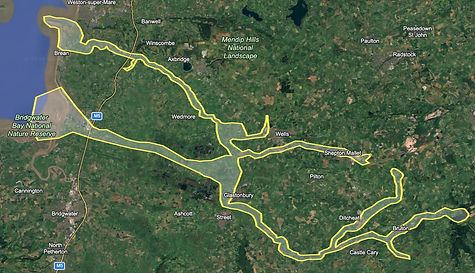
To join a project, search under the 'Community' tab for projects and select your chosen mapping project, eg. 'Brue & Axe River Mapping'.
Upload your data
Once you've joined a project, any records you upload through the app (in the project boundary) will be included in the mapping. In some cases you do not have to join the project for the uploaded data to appear in the mapped area.
Share your data
All records uploaded to the project will be helping the global community collect data, mapping our biodiversity.
The Brue & Axe mapping project is jointly organised by the Somerset Eel Recovery Project and The Brue Crew, Parrett & Tone mapping project supported by Somerset Council. They are based on WWF Advice